

Note: Business owners in Louisiana can implement strong employee strategies early that often prevent these quiet resignations from becoming costly turnover.
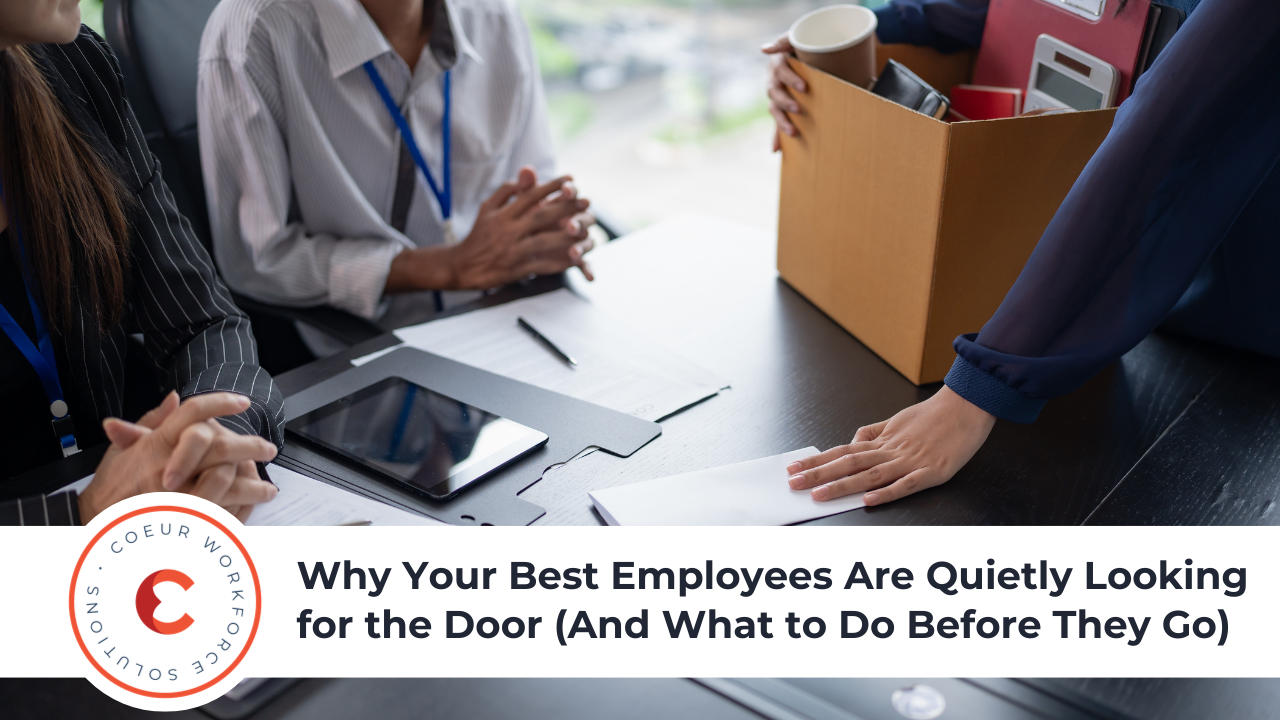
You didn’t see it coming. One of your best employees, reliable, skilled, someone you counted on, just handed you a resignation letter. The reason they gave you probably wasn’t the whole story. The truth is, good employees rarely leave because of one thing.
Most of the time, the decision to go had been building for weeks, maybe months, fueled by small frustrations that were never addressed. Understanding why good employees leave small businesses, before it happens, is one of the most important things a Louisiana business owner can do in 2026. Here’s what you’re likely missing.
The Resignation You Didn’t See Coming (Usually Has a Long History)
Most business owners think of turnover as a sudden event. But the reality is, by the time someone hands in their notice, the decision was made long before that conversation. Research shows that roughly 75% of voluntary employee turnover is actually preventable, meaning the issues that drove the person out were ones the business had the power to fix.
For small businesses in Baton Rouge and across Louisiana, this is especially painful. You probably don’t have a deep bench of talent waiting to step in. When a key player walks, it doesn’t just create a vacancy. It disrupts your operations, your team morale, and your ability to serve customers. The cost of replacing that person can run anywhere from 40% of their salary for frontline roles to 200% for managers and leaders, and that doesn’t even account for the knowledge and relationships that walk out the door with them.
It’s Not Always About the Money. Here’s What Actually Drives Them Away
It’s tempting to assume your best people left for a bigger paycheck. And while compensation matters, Gallup research consistently shows that roughly 71% of voluntary exits trace back to poor management, not pay. Employees leave when they feel unseen, unsupported, or stuck.
Here’s what that looks like in a small business: the employee who hasn’t had a meaningful conversation with their manager in months. The team member who raised an issue six weeks ago and never heard back. The high performer who watched someone less capable get promoted because they happened to be louder. These are the patterns that erode loyalty, and they rarely show up in an exit interview.
When Roles Are Fuzzy, Frustration Follows
In small businesses, wearing multiple hats is a given. But there’s a difference between flexibility and chaos. When employees don’t have a clear understanding of what’s expected of them, who they report to, or how their success is measured, frustration builds fast.
This is especially common in growing Louisiana businesses that have scaled beyond 10 or 15 employees without updating their job descriptions, org charts, or internal processes. The result is a team that’s working hard but feeling lost, and the best people on that team are usually the first to realize they deserve better clarity.
If you’re noticing this pattern, it may be a sign that your business has outgrown its current setup. That’s exactly the kind of challenge an HR company in Baton Rouge can help you navigate.
The Real Cost of Inconsistent Communication and Missing Feedback
Here’s a stat that should stop every business owner in their tracks: employees who feel valued by their organization are 63% less likely to look for a new job. On the flip side, a lack of recognition and feedback is one of the fastest ways to lose someone.
Annual reviews are not enough. Your best employees want to know how they’re doing now, not once a year during a formal sit down that feels more like a formality than a conversation. They want regular check ins, honest feedback, and the sense that someone is paying attention to their effort.
For small businesses without a dedicated HR team, this kind of consistent communication often falls through the cracks. Not because the owner doesn’t care, but because there’s no system in place to make it happen reliably.
Growth Doesn’t Always Mean a Promotion. But It Has to Mean Something
One of the biggest misconceptions about employee retention strategies in Louisiana and everywhere else is that you need a corporate ladder to keep people engaged. You don’t. But you do need to offer some form of growth.
That might look like cross training opportunities, a chance to lead a new project, access to professional development, or simply a conversation about where someone sees themselves in a year and how you can help them get there. Companies that invest in upskilling retain significantly more employees, and the investment doesn’t have to be massive to make a real impact.
The key is intentionality. When employees feel like their development matters to you, they’re far more likely to stay.
Retention doesn’t fix itself. Talk to a local HR team that can help you fix it first.
How Workplace Culture Either Holds People Together or Pushes Them Out
Culture isn’t a ping pong table or a pizza Friday. It’s how decisions get made, how conflict gets handled, and whether people feel safe enough to speak up when something isn’t working.
For small businesses, culture is often set by the owner, whether they realize it or not. If there’s no handbook, no consistent onboarding process, and no clear values guiding day to day behavior, the culture becomes whatever the loudest or most senior person says it is. That’s a recipe for turnover.
Building a strong HR structure doesn’t mean becoming corporate. It means creating the kind of environment where people know what to expect, feel respected, and want to show up every day.
The Tipping Point: How Small Issues Stack Into a Resignation
No one quits over a single bad day. But stack enough small frustrations together, a missed paycheck error, a policy that feels unfair, a coworker issue that never gets addressed, and eventually someone hits their limit.
This is why how to reduce employee turnover in a small business isn’t really about grand gestures. It’s about fixing the little things consistently. It’s about having systems that catch problems early, managers who know how to have honest conversations, and an HR foundation that doesn’t rely on one person’s memory or a folder of outdated documents.
What Louisiana Small Businesses Can Do Right Now to Improve Retention
You don’t need a Fortune 500 budget to keep your best people. You need a few things done well and done consistently.
Start having “stay conversations.” Instead of waiting for an exit interview, ask your current employees what’s keeping them here and what might eventually push them to leave. These conversations are simple, direct, and incredibly revealing.
Get clear on roles and expectations. Make sure every employee understands what success looks like in their position. If your last job descriptions were written three years ago, they’re probably outdated.
Build a feedback rhythm. Even a monthly 15 minute check in can make a difference. The goal isn’t to add another meeting to the calendar. It’s to make sure your people feel heard before their frustration compounds.
Invest in your managers. The data is clear: people leave managers, not companies. Give your team leads the training and support they need to have real conversations, not just assign tasks.
Get HR support that fits your size. You don’t need a full HR department to have a strong HR foundation. Working with a local HR partner can give you access to the tools, processes, and guidance that keep people engaged without overwhelming your budget. That’s how HR support helps reduce turnover in Louisiana businesses of all sizes.
FAQ: Why Employees Leave and How to Keep Them
Why do high-performing employees quit without warning?
It usually isn’t without warning. It just feels that way. Most high performers have been signaling dissatisfaction for weeks or months through disengagement, reduced initiative, or pulling back from extra responsibilities. The “sudden” resignation is often the end of a long, quiet buildup that no one noticed or addressed.
What are the most common reasons employees leave small businesses?
The top drivers include poor communication with management, lack of growth opportunities, unclear job expectations, inconsistent recognition, and a workplace culture that doesn’t align with their values. Pay is a factor, but it’s rarely the primary one.
How can small businesses improve employee retention without a big HR budget?
Focus on what’s free or low cost first: regular one-on-one conversations, clear expectations, timely feedback, and a culture of recognition. Beyond that, partnering with a local HR firm provides you with access to professional systems and expertise at a fraction of the cost of building an in-house team.
What is a “stay conversation,” and should I be having them?
A stay conversation is a proactive check-in with a current employee to understand what they value about their role, what frustrates them, and what might cause them to leave. Unlike exit interviews, stay conversations give you the chance to fix problems before they cost you a valued employee. Yes, you should be having them.
Retention Starts Before Someone Decides to Leave
Turnover among your best people is rarely inevitable. It’s usually preventable. The best employee retention strategies employers use are usually simple, consistent, and built into day-to-day management. The businesses that hold onto great employees aren’t necessarily paying the most. They’re communicating clearly, supporting growth, and catching problems before they become reasons to quit. If you’re not sure where your team stands, that’s exactly the kind of challenge a local HR partner can help you tackle.
At Coeur, we help businesses in Baton Rouge and New Orleans build the HR foundation that keeps people engaged. Read more about what growing businesses need from an HR company, or get a quote today to see how we can help.